How a Southern Restaurant Makes Every Guest Feel Welcome
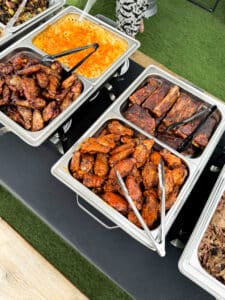
Walk into a good Southern restaurant and you can feel the difference before anyone says a word. The door opens easily. The room smells like something worth staying for. A server catches your eye without hovering. The host stand does not feel like a checkpoint. Even the pace of the room tells you something important: you are expected here.
That sense of welcome is not accidental, and it is not just a matter of smiling more. In the best places, hospitality is built into the bones of the operation. It lives in how the tables are spaced, how the menu is written, how the staff reads a room, and how ownership thinks about regulars, newcomers, families, solo diners, and travelers passing through. A Southern restaurant often gets credit for warmth because the region has a long tradition of personal service and communal food. But tradition alone does not make people feel comfortable. Execution does.
The restaurants that do this well understand a simple truth. Guests are not all looking for the same thing, but nearly everyone wants to feel seen, respected, and at ease. Some want a lively Sunday lunch with three generations around one table. Some want ten quiet minutes before ordering after a long drive. Some are trying a dish they did not grow up with and need a little guidance. Some have dietary restrictions and are tired of being treated like a problem. Welcome means making room for all of them.
Hospitality starts before the first greeting
Owners and managers sometimes focus so hard on service scripts that they overlook the first layer of hospitality: the physical approach. Parking matters. Lighting matters. Signage matters. So does the threshold between outside and inside. A Southern restaurant that feels welcoming usually removes friction before the guest ever reaches a table.
That can be as practical as clear entry points and a host stand that is visible from the door. It can also be subtler. If the dining room is loud enough that a guest has to brace for impact, the room is sending one message while the staff tries to send another. If the front door sticks, if there is nowhere to wait without blocking traffic, if the takeout line collides with dine-in arrivals, a warm hello has to work harder than it should.
I have seen this in busy neighborhood spots where business was strong but the entrance felt chaotic. On paper, everything looked fine. Food sales were healthy, labor was tight, and the dining room turned efficiently. Yet new guests often looked unsure within ten seconds of entering. They did not know whether to seat themselves, wait at the stand, or move aside for takeout customers. Once management redesigned the flow, added simple directional cues, and gave one team member ownership of that front zone during peak periods, guest complaints dropped even though the food and prices stayed the same. People were not reacting only to the meal. They were reacting to how the restaurant made them feel from the first moment.
The host sets the emotional temperature
In many restaurants, the host is treated as a scheduler with a seating chart. In a strong Southern restaurant, the host is more than that. This person sets the emotional temperature of the room.
A polished host knows how to read body language fast. A couple coming in from the rain may need reassurance more than Southern restaurant walterspgh.com efficiency. Parents with tired children need clarity and speed. A solo diner who hesitates at the door may appreciate a calm, direct welcome and a good seat that does not make them feel exposed. None of this requires theatrics. It requires attention.
The language matters too. There is a meaningful difference between “How many?” and “Good evening, welcome in.” There is a difference between “It’ll be a 25-minute wait” and “We’re running about 25 minutes right now, but I can put your name in and let you know the minute a table opens.” The content is similar. The effect is not. One feels transactional. The other feels managed and considerate.
Southern hospitality, at its best, has never really been about exaggerated charm. It is about making the guest feel that the staff has room for them, mentally as much as physically. Good hosts do that with tone, pacing, eye contact, and useful information. They do not rush people through confusion.
Menus can invite people in, or quietly push them away
The menu is often the restaurant’s most underused hospitality tool. Guests can forgive a lot if they understand what they are ordering and feel confident doing it. They become anxious when the menu assumes knowledge they do not have, hides prices in a confusing layout, or offers too little context for unfamiliar dishes.
This matters especially in a Southern restaurant, where food can be deeply regional. Think about the difference between a menu that simply lists “smothered pork chops,” “field peas,” “country captain,” or “catfish and grits,” and one that describes those dishes with just enough detail to orient a first-time guest without flattening the culture behind them. You do not need to over-explain. You do need to respect the fact that not every diner grew up at the same table.
The best menus strike a balance. They preserve the restaurant’s point of view while reducing uncertainty. If a pimento cheese appetizer is served warm with benne crackers and pepper jelly, say that. If the collards contain pork, make it clear. If the fried chicken takes extra time because it is cooked to order, say so before the guest starts watching the clock. Clear expectations are a form of care.
Price transparency matters as well. Guests do mental math throughout a meal, especially families, retirees, and travelers. A restaurant that makes pricing easy to follow lowers a quiet kind of stress. This is one reason specials should be delivered confidently and specifically. A server who can say, “The redfish is a 7-ounce fillet over succotash, and it’s $32 tonight,” helps the table relax. Vague descriptions tend to create friction.
Service that feels personal without becoming performative
There is a narrow line between attentive service and overfamiliar service. Skilled dining rooms know where that line is and teach it deliberately.
Many guests expect a Southern restaurant to be friendly, but friendliness has to be calibrated. Calling everyone “honey” or “sweetheart” may feel natural to one server and uncomfortable to one guest. Pulling up a chair to describe the bourbon list may delight one regular and crowd a business traveler. Real hospitality is not a fixed personality type. It is responsive.
That responsiveness shows up in small decisions. A seasoned server can tell when a table wants conversation and when it wants efficiency. They know how to check back without interrupting the first bite. They understand that refilling sweet tea quickly matters, but so does not asking “Are we still working on this?” every four minutes. They can explain what makes a particular shrimp and grits different from the version down the street without turning the speech into a monologue.
One of the strongest servers I ever watched had a simple habit. She used the first two minutes at the table to gather more than an order. She noticed whether guests were celebrating, whether they had been before, who seemed decisive, who needed guidance, and whether anyone looked left out of the conversation. By the time she returned with drinks, she knew whether to lead, reassure, slow down, or get out of the way. That is not luck. That is craft.
Comfort food carries emotional expectations
Southern food often arrives with memory attached. Guests may be measuring the meal against a grandmother’s kitchen, a church supper, a roadside diner from childhood, or a beloved place that closed years ago. That emotional weight can be an advantage, but it also raises the stakes.
When a restaurant serves dishes people associate with comfort, they are not only selling flavor. They are selling trust. The biscuit should be hot. The mac and cheese should not look neglected under a heat lamp. The fried chicken should land crisp, not tired and greasy. If banana pudding is on the menu, people will forgive variation in style, but not indifference in execution.
At the same time, not every guest wants the most traditional version of everything. A modern Southern restaurant may serve smoked trout dip, grilled local vegetables, cornbread with cultured butter, or a seasonal cobbler with fruit that changes weekly. These updates can feel generous and alive when they are rooted in the restaurant’s identity. They feel less welcoming when they seem to mock or overcomplicate the familiar.
The trade-off is real. Lean too hard into nostalgia and the menu can feel stale. Chase novelty too aggressively and the restaurant can alienate guests who came looking for steadiness. The best operations manage this by anchoring the menu with a few dishes that deliver exactly what people hope for, then using specials or seasonal sections to show range.
Staff culture always reaches the dining room
Guests may not know the details of a restaurant’s internal culture, but they can feel the results. A staff that is respected tends to move differently. Communication sounds cleaner. Problems get solved without visible panic. New employees are less likely to look stranded. Tables are greeted with confidence rather than nervous speed.
This is especially important in hospitality businesses that lean on the language of welcome. If management talks constantly about treating guests like family while treating staff as disposable, the contradiction eventually shows. It shows in turnover, in short tempers, in missed details, and in the flat affect that creeps into service when people are exhausted.
A Southern restaurant that consistently makes guests feel welcome usually invests in the team behind that feeling. Training is part of it. So is scheduling. So is family meal, pre-shift communication, and clear authority on the floor. People perform better when they know what good service looks like and trust that management will back them up.
There is also a practical side. When staff members stay longer, they remember names, allergies, seat preferences, pacing habits, and favorite orders. Hospitality becomes less generic because it is built on memory. A regular who likes extra lemon with iced tea does not need to ask every time. A couple who comes in after church gets their usual booth when possible. These moments sound small because they are small, and that is precisely why they matter. Welcome is usually made of details, not grand gestures.
The room should make different kinds of guests comfortable
One of the quickest ways to lose the promise of hospitality is to assume the ideal guest looks and behaves the same at every table. A welcoming Southern restaurant knows better.
A young family needs space for a stroller and patience if a child gets restless. An older guest may need better lighting, a quieter seat, or a menu that is easy to read. A solo diner may want a comfortable place at the bar where dining alone feels normal rather than second-tier. Guests with mobility needs should not feel like the restaurant is improvising access in real time. None of this is glamorous work, but it is essential.
There is a strong business case here as well. Restaurants that welcome a wider range of guests tend to build deeper community ties. They become the place for Tuesday lunch, birthday dinners, after-game meals, and holiday takeout. They stop depending only on one traffic pattern.
A few practical habits make a noticeable difference:
- Offer seating options thoughtfully, not mechanically, especially for older adults, families, and solo diners.
- Train staff to answer dietary questions clearly and without making the guest feel burdensome.
- Keep noise, lighting, and room temperature within a range that supports conversation.
- Treat takeout, walk-ins, and reservations as parts of one hospitality system, not competing nuisances.
- Make the restroom, entrance, and waiting area as cared for as the dining room.
None of these items is revolutionary. That is the point. Welcoming service rarely depends on one dramatic move. It depends on repeated competence in places many operators stop noticing.
Regulars matter, but newcomers are the future
Neighborhood restaurants often build their identity around regulars, and rightly so. Regulars stabilize revenue, forgive the occasional off night, and give a place its social fabric. But some restaurants make the mistake of serving regulars in a way that subtly excludes everyone else.
You can see it when hosts greet half the room by name while first-time guests wait too long for acknowledgment. You can hear it when servers use inside jokes at the next table but become clipped and procedural with newcomers. You can feel it when the bar crowd controls the atmosphere so fully that an out-of-town diner feels like they wandered into a private club.
The best Southern restaurant avoids this trap by making loyalty visible without making it exclusive. Regulars are appreciated, but not at the expense of hospitality for new arrivals. In fact, many regulars love seeing their favorite place welcome others well. It confirms that the restaurant’s warmth is real, not reserved.
A smart operator also knows that today’s first-time guest can become tomorrow’s weekly lunch customer, holiday pie pre-order, or word-of-mouth champion. The economics are plain. A new guest who feels awkward may never return. One who feels at ease often comes back with more people.
When something goes wrong, hospitality becomes visible
Anyone can seem gracious when the kitchen is on time, the reservations are spaced well, and the fryer is behaving. The real test is what happens when the night slips.
A Southern restaurant earns trust when it handles mistakes with calm honesty. If the kitchen is backed up, say so early. If a dish has to be remade, own it without defensiveness. If a reservation was mishandled, apologize clearly and offer a reasonable fix. Guests do not expect perfection nearly as often as restaurants imagine. They do expect respect.
What they remember is not only the problem. They remember whether the staff tried to hide it, whether someone took responsibility, and whether the resolution matched the inconvenience. A delayed entree might call for a sincere update and a comped appetizer or dessert. A major service failure may call for much more. Judgment matters. So does speed.
There is a difference between polished hospitality and hollow hospitality, and problems expose it fast. A staff trained only in cheerful phrases will sound thin under pressure. A staff trained in decision-making can recover the guest experience and often strengthen it.
Southern welcome is sensory as much as social
One reason Southern restaurants can feel so inviting is that they engage the senses in a generous way. The clink of ice in tea glasses, the smell of biscuits or cornbread, the warmth of a plate that just left the pass, the sound of a dining room with energy but not chaos, all of it works together. Welcome is partly emotional, but it is also physical.
That means little sensory failures carry more weight than some operators realize. Sticky menus, a draft under the table, music that overpowers conversation, plates dropped without care, or food that arrives lukewarm can cut against the entire message of hospitality. On the other hand, thoughtful sensory cues deepen comfort without announcing themselves.
A restaurant does not need expensive design to achieve this. Some of the most welcoming places in the South are modest rooms with practical furniture and a little wear on the floorboards. What they have is coherence. The room, the food, and the service all tell the same story. Nothing feels cynical. Nothing feels neglected.
The welcome has to be genuine enough to survive scale
A single-location neighborhood favorite can rely on instinct more than a multi-unit group can. As a Southern restaurant grows, the challenge changes. The question becomes how to preserve warmth without reducing it to slogans.
This is where systems matter. Standards for greeting times, menu knowledge, allergy procedures, table touches, and recovery steps protect hospitality at scale. Yet rigid scripts can flatten personality. The goal is not to make every server sound the same. The goal is to make every guest feel reliably cared for.
Strong operators write clear service principles, then give staff room to express them naturally. They teach the why behind each standard. They also hire for temperament, because no manual can create kindness from scratch.
One useful internal test is this: if a guest visited on your busiest Saturday night and your slowest Wednesday lunch, would the welcome still feel sincere? Maybe not identical, but sincere. If the answer is no, the issue is usually not character. It is support. Staffing levels, floor leadership, prep discipline, and communication all shape whether hospitality survives real service pressure.
What guests carry home with them
People rarely retell a restaurant visit as a sequence of operational wins. They talk about how the place made them feel. They remember that the host found space for them even though they arrived late from a ballgame. They remember the server who steered them toward a dish they ended up loving. They remember that nobody made a fuss when they asked about an allergy, or that the kitchen split a dessert for the table without being asked.
At a well-run Southern restaurant, welcome is not one moment. It is a chain of well-judged decisions that lowers barriers and increases comfort from start to finish. Food matters deeply, of course. So do timing, value, and consistency. But hospitality is what turns a competent meal into a place people want to return to, recommend, and fold into the rhythm of their lives.
That is the real craft behind making every guest feel welcome. It is not performance. It is not sentimentality. It is disciplined generosity, expressed through space, language, food, and judgment. When a restaurant gets that right, guests do not simply leave full. They leave feeling that the place had room for them, exactly as they arrived, and that feeling is what brings them back.
Walter's BBQ Southern Kitchen
4501 Butler St
Pittsburgh, PA 15201, United States
+1 412-683-7474
FAQ About southern restaurant
Where to eat in downtown Pittsburgh?
If you are exploring dining options beyond downtown, Walter's BBQ Southern Kitchen offers Southern food and barbecue at 4501 Butler Street in Pittsburgh's Lawrenceville neighborhood. It is outside downtown, so allow travel time when planning your visit.
What is a must eat in Pittsburgh?
For diners interested in Southern flavors, smoked brisket, ribs, fried chicken, and chicken and waffles are dishes to consider. Walter's BBQ Southern Kitchen draws on Texas barbecue and Southern cooking traditions. Check the current menu for the dishes available during your visit.
What are some of Pittsburgh's unique restaurants?
Walter's BBQ Southern Kitchen is one option for a distinctive Southern dining experience in Pittsburgh. Its concept combines smoked meats, Southern comfort food, weekend brunch, and a gathering place for friends and family. The restaurant is located on Butler Street in Lawrenceville.