What Makes a Great Southern Restaurant Stand Out
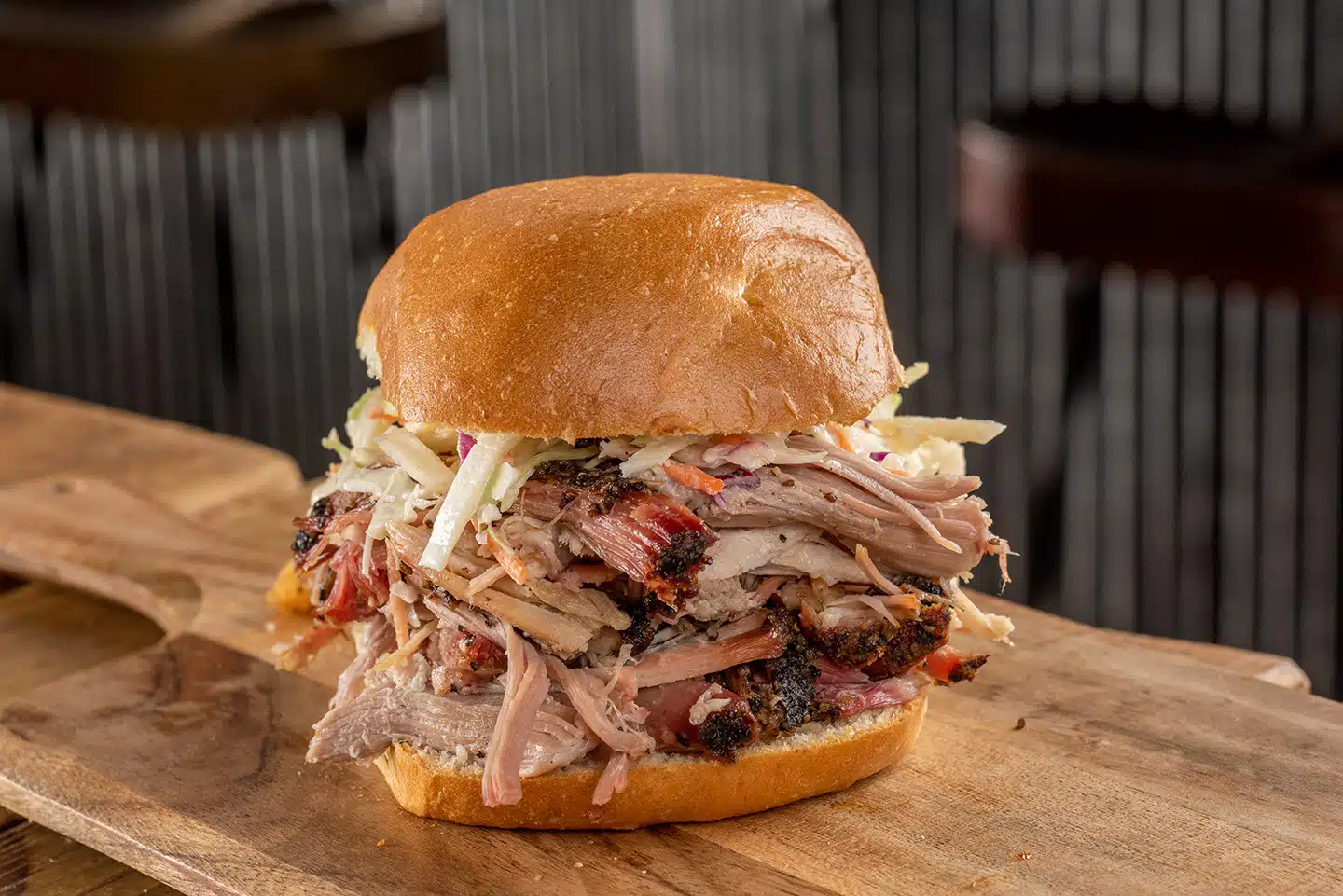

A great Southern restaurant is never just selling fried chicken, biscuits, or shrimp and grits. It is selling memory, place, and trust. Guests walk in with expectations that are unusually specific, even if they do not say them out loud. They want warmth without stiffness, generosity without waste, and food that tastes like someone cared enough to get the details right. That combination is harder to deliver than it looks.
Southern food has a reputation for comfort, but comfort is not the same thing as simplicity. The best kitchens in this category know how much discipline sits behind a plate that feels easy. A flaky biscuit depends on timing, temperature, flour choice, and a light hand. Proper braised greens can carry smoke, acid, pepper, and pot liquor depth without sliding into bitterness or mush. Even a humble side of mac and cheese reveals a lot about a restaurant’s standards. Is the sauce silky or gluey? Does the seasoning stop at salt, or is there a little mustard, cayenne, or sharp cheddar to give it shape? Good Southern cooking leaves nowhere to hide.
That is why some places become local institutions while others remain ordinary. The difference usually comes down to a handful of choices made every day, from the front door to the dish pit.
It starts with a sense of place
The strongest Southern restaurant feels rooted somewhere real. That does not mean every dining room must look like a farmhouse or every menu must read like a church potluck. It means the restaurant knows what part of the South it is speaking from, and it is confident enough not to blur every tradition into one generic idea.
The South is not a single culinary block. The foodways of the Mississippi Delta are different from those of coastal Carolina. Lowcountry cooking carries one set of ingredients and rhythms, while Tennessee meat-and-three culture carries another. Cajun and Creole traditions bring their own logic, just as Appalachian cooking does. When a restaurant understands its lineage, guests can feel it. The menu has internal coherence. The seasoning makes sense. The stories behind the dishes do not sound borrowed.
A restaurant in Charleston might build a menu around rice, seafood, benne, and crab rice because that reflects the region’s pantry and history. A Nashville spot may focus on hot chicken, skillet cornbread, turnip greens, and chess pie. A chef in Birmingham might lean into smoked meats, white sauce, field peas, and layered vegetable plates. None of those approaches is more authentic than the others. What matters is clarity. Guests respond to a point of view.
I have seen restaurants get into trouble by trying to cover too much ground at once. Menus become a collage of Southern greatest hits, gumbo next to pimento cheeseburgers next to Carolina pulled pork next to blackened redfish. Each dish may sound familiar, but together they can read as a lack of conviction. A great Southern restaurant edits itself. It knows what belongs and what does not.
Hospitality has to feel natural
People often describe Southern hospitality as friendliness, but that undersells it. In a restaurant setting, hospitality is timing, awareness, and ease. It is the host who notices an older guest would prefer a quieter table without making a production of it. It is the server who explains a family-style side dish in a way that prevents overordering. It is the bartender who can make a newcomer feel welcome without forcing conversation.
Guests tend to be especially sensitive to service style in a Southern restaurant because the category carries emotional expectations. If the room feels cold, transactional, or rushed, the disconnect is sharp. A place can serve excellent food and still miss the mark if the guest experience feels mechanical.
That does not mean service must be old-fashioned or overly formal. In many of the best Southern dining rooms, the tone is relaxed but highly professional. Staff members know the menu deeply, move with purpose, and speak in a way that sounds like themselves, not like a script. That authenticity matters. Forced charm is easy to spot. So is indifference.
One detail separates mature operations from performative ones: consistency under pressure. Anyone can seem gracious at 5:30 on a Tuesday. The real test comes at 7:15 on a packed Saturday when the biscuit station is buried, a six-top just sat without a reservation, and the fryer is running at full tilt. The best restaurants hold their shape in those moments. They may not be flawless, but they remain composed, honest, and attentive.
The food must honor tradition without becoming trapped by it
Southern cooking invites strong opinions, often for good reason. Many guests carry family benchmarks for dishes like cornbread, banana pudding, fried catfish, or collard greens. If your food is going to stand out, it has to respect those expectations while still giving people a reason to choose your restaurant over the one down the street or the meal at their grandmother’s table.
That balance is delicate. Reinvention for its own sake rarely works. A chef who deconstructs chicken and dumplings into a sculptural tasting-menu exercise may earn curiosity, but not necessarily affection. At the same time, rigid nostalgia can flatten a menu into something static and tired. Great restaurants understand the underlying structure of a dish before they touch it. They know which elements are essential and which can evolve.
Take shrimp and grits. At its core, it is a dish about contrast and depth: creamy grains, sweet shellfish, savory fat, and enough acid or spice to keep each bite lively. A kitchen can honor that framework while making thoughtful choices about the grits, the stock, the aromatics, the heat level, or the garnish. The diner should recognize the soul of the dish immediately, even if the details feel fresher or more polished.
The same goes for desserts. Banana pudding can be made with house-made wafers, better vanilla, and properly whipped cream while still tasting like banana pudding. Peach cobbler can have a more refined crust and still feel generous. Southern food does not need to be clumsy to feel heartfelt. In fact, some of the finest versions are remarkably precise.
Great ingredients matter, but judgment matters more
There is a tendency in restaurant marketing to talk about sourcing as if the words alone prove excellence. Local produce, pasture-raised pork, Gulf shrimp, stone-ground grits, small-batch sorghum, all of these can be meaningful. But ingredient quality is only part of the story. Great Southern cooking depends just as much on how the kitchen treats those ingredients.
A beautiful ham hock can still produce flat greens if the pot lacks balance. Premium cornmeal can still yield dull cornbread if the batter is overmixed or underseasoned. Expensive seafood can turn tough in seconds. Some categories of Southern food are unforgiving precisely because they appear so familiar. Diners know when fried okra tastes like old oil. They know when gravy is pasty. They know when barbecue sauce is compensating for dry meat.
The best chefs and cooks in this space develop strong instincts about where to spend money and where to spend labor. In some cases, the higher-value move is better butter. In others, it is two extra hours on stock, pickles, preserves, or smoking technique. A restaurant that stands out usually has a few points on the menu where this judgment becomes obvious. The biscuit is hot because someone designed the bake schedule around service. The pork tastes deeper because the brine was calibrated with care. The tomato pie is only available for a short season because the kitchen refuses to serve weak tomatoes in March.
That kind of discipline reads as integrity, even to guests who cannot name it directly.
Texture is one of the quiet signatures of excellence
People often talk about flavor first, but texture tells you just as much about a Southern restaurant’s skill. The cuisine depends heavily on contrast. Crisp fried chicken with juicy meat. Tender black-eyed peas beside snappy chowchow. Creamy grits under sautéed shrimp. Crackly crust on cornbread with a soft interior. Soft banana pudding interrupted by the slight give of wafers. These are not accidents.
When a meal feels one-note, it usually means the kitchen has overlooked texture somewhere. A plate of braised meats, mashed sides, and soft bread can become heavy if there is no crunch, acidity, or fresh element to cut through it. Great menus avoid that fatigue. They pace the diner through richness. They know when to sharpen a dish with pickle brine, char, vinegar, raw onion, or pepper sauce.
Frying, in particular, separates average restaurants from very good ones. Southern restaurants serve a lot of fried food, and guests notice details immediately. The coating should adhere. The crust should stay crisp long enough to survive the trip from kitchen to table. The seasoning should be integrated, not sprinkled as an afterthought. The oil should taste clean. This sounds basic, but many kitchens struggle with it, especially during a rush. Stations get slammed, batches sit too long, or breading protocols slip. The restaurant that maintains standards across a long service has earned its reputation.
The menu should feel generous, not bloated
Southern diners appreciate abundance, but abundance does not require an oversized menu. In fact, many standout restaurants work from a surprisingly focused selection. They understand that too many choices can dilute execution, slow ticket times, and blur the identity of the kitchen.
A concise menu often signals confidence. It says the restaurant knows what it does well and has chosen to do that repeatedly at a high level. That is especially important in a Southern restaurant, where guests often come for comfort and reliability. They may love seeing a seasonal special, but they also want to trust that the staples will be handled with care every single time.
Generosity shows up in other ways. It can be a family-style side portion large enough for the table. It can be a server steering guests away from overordering. It can be an extra ramekin of comeback sauce without a charge that feels petty. It can be the pacing of the meal, where hot items arrive hot and refills appear before anyone has to flag someone down.
There is a business side to this. Waste, labor, and food cost matter. So do check averages. The smartest operators know how to make a guest feel looked after without treating generosity as the same thing as overproduction. A heavy hand can hurt as much as a stingy one. Too much food can cheapen a meal just as surely as too little can disappoint.
Atmosphere should support the food, not parody it
A Southern restaurant does not need reclaimed barn wood, mason jars, antique signs, or country music on loop to communicate identity. Those elements can work in the right context, but they can also slide into caricature fast. Guests are usually more impressed by rooms that feel honest than by ones that try too hard to signal region.
The atmosphere should fit the concept, the neighborhood, and the price point. A white-tablecloth Southern restaurant can work beautifully if the room still feels warm and lived in. A casual meat-and-three can feel just as memorable with bright lights, clean lines, and simple booths if the energy is right. What matters is alignment. If the room promises refinement and the service feels sloppy, guests notice. If the decor sells nostalgia while the food feels generic, they notice that too.
Sound is one of the most overlooked parts of the experience. Southern restaurants are social spaces, and a certain level of liveliness is welcome. But if the room is so loud that guests cannot talk over supper, the comfort factor disappears. The same goes for lighting. Food this rich and visually textured benefits from warmth, not gloom.
Signature details create memory
When people talk about a restaurant later, they rarely recite the entire meal. They remember a few vivid moments. Maybe the biscuits arrived in a hot cast-iron pan with sorghum butter. Maybe the pepper vinegar at the table tasted house-made and bright. Maybe the bartender knew exactly how to balance sweetness in a bourbon cocktail. Maybe the staff remembered that a guest liked extra hot sauce from a prior visit.
Those details create attachment. They turn a good meal into a place people return to and recommend. In a crowded market, that matters more than broad claims about quality.
Some of the best signature details are small enough to seem incidental:
- A pimento cheese recipe with real bite and texture, not a bland orange spread.
- A greens pot liquor so good that guests ask for bread to soak it up.
- A dessert cart or daily pie board that makes regulars check in before dinner.
- House pickles, chowchow, or pepper sauces that sharpen rich plates.
- Coffee that is actually brewed well, because hospitality should not end with dessert.
None of these requires gimmickry. They require attention. Restaurants that stand out often have several such touches, each reinforcing the same message: somebody here cares.
Staff knowledge is part of the product
A Southern menu often carries dishes that deserve context. Country captain, hoppin’ John, red-eye gravy, spoonbread, or stack cake may be familiar to some guests and unfamiliar to others. A restaurant gains a lot when the staff can explain these items with confidence and without sounding rehearsed.
That kind of fluency improves sales, but more importantly, it improves trust. Guests are more willing to try something new when they feel guided rather than upsold. It also helps with common dietary questions. Southern cooking can involve hidden meat stocks, pork seasoning, shellfish bases, or dairy-rich preparations. Clear communication is essential.
I have watched dining rooms lose momentum because servers did not know whether the greens were vegetarian, whether the cornbread contained sugar, or whether the fried chicken was brined overnight. These may seem like small gaps, but they chip away at credibility. In a cuisine built on tradition and technique, ignorance shows.
Well-trained staff can also help frame the restaurant’s personality. They can explain why a cornbread is unsweetened, why the barbecue style leans vinegar-forward, or why a seasonal vegetable side appears only briefly. Those conversations deepen the guest experience without turning dinner into a lecture.
Value is not the same as low price
Southern restaurantMany guests approach a Southern restaurant expecting hearty portions and reasonable prices. That expectation has cultural roots, but it can create a difficult balancing act for operators. Labor-intensive food, quality proteins, and rising overhead make it hard to deliver old-fashioned value by pricing alone.
The restaurants that stand out solve this by broadening what value means. Guests may accept a higher price point if Southern restaurant the food is exceptional, the portions are fair, and the experience feels complete. They may spend more willingly on fried chicken if the bird is well-sourced, the sides are strong, and the service is seamless. They are less forgiving when prices rise but the details do not.
This is where menu engineering becomes important. A smart Southern restaurant may place comforting, lower-cost dishes alongside premium ones so that different guests can build a meal that suits them. A bowl of gumbo, a plate of seasonal vegetables, or a biscuit order can make the experience accessible, while larger entrees carry margin. When done well, the menu feels welcoming rather than stratified.
Value also shows up in restraint. If a restaurant eliminates weak menu items, tightens prep, and improves consistency, guests often feel they are getting more even if portion sizes do not grow. Predictability is part of value. People return to places they trust.
The best Southern restaurants understand emotion
What makes a great Southern restaurant stand out, above all, is its grasp of emotion. This cuisine is wrapped up in family tables, roadside stops, Sunday dinners, funerals, reunions, football weekends, and holiday travel. Few categories come loaded with so much personal history. That can be an advantage or a burden, depending on how the restaurant handles it.
The strongest places never lean too heavily on sentiment. They do not need to tell guests they are comforting. They simply are. They make room for memory without trying to manufacture it. Their food tastes grounded. Their service puts people at ease. Their decisions, from seasoning to pacing to music volume, support the same clear identity.
Guests may arrive for fried green tomatoes or a plate of ribs, but they return for a feeling that is harder to name. It is the sense that the restaurant knows exactly what it is, respects where it came from, and takes enough pride to get the small things right night after night. In any category, that is rare. In a Southern restaurant, it is everything.
Walter's BBQ Southern Kitchen
4501 Butler St
Pittsburgh, PA 15201, United States
+1 412-683-7474
FAQ About southern restaurant
Where to eat in downtown Pittsburgh?
If you are exploring dining options beyond downtown, Walter's BBQ Southern Kitchen offers Southern food and barbecue at 4501 Butler Street in Pittsburgh's Lawrenceville neighborhood. It is outside downtown, so allow travel time when planning your visit.
What is a must eat in Pittsburgh?
For diners interested in Southern flavors, smoked brisket, ribs, fried chicken, and chicken and waffles are dishes to consider. Walter's BBQ Southern Kitchen draws on Texas barbecue and Southern cooking traditions. Check the current menu for the dishes available during your visit.
What are some of Pittsburgh's unique restaurants?
Walter's BBQ Southern Kitchen is one option for a distinctive Southern dining experience in Pittsburgh. Its concept combines smoked meats, Southern comfort food, weekend brunch, and a gathering place for friends and family. The restaurant is located on Butler Street in Lawrenceville.